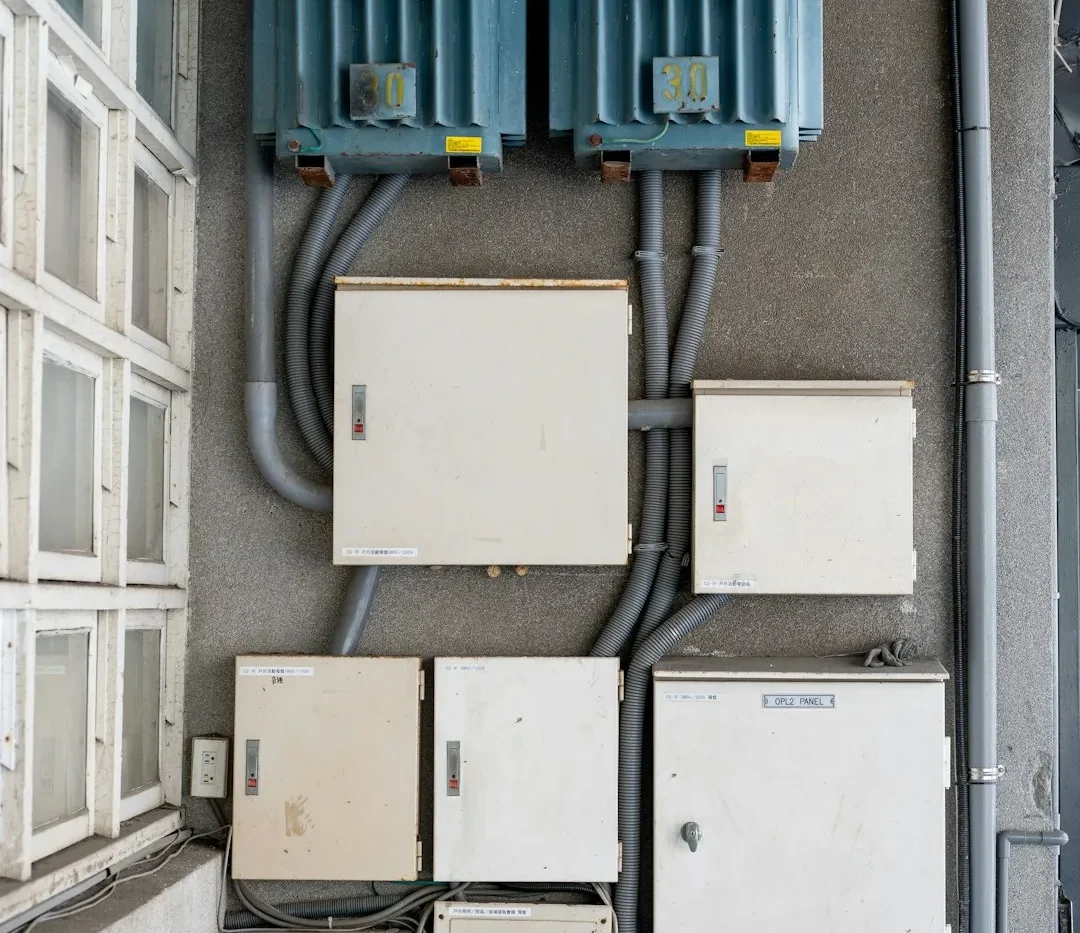
The switchboard is where power enters a building and is split into circuits, each with its own protection. When it is in good condition, nobody thinks about it. When it is out of date, overloaded or damaged, it can be a genuine safety risk and a barrier to adding anything new, from an air conditioner to an EV charger.
Here are eight signs we look for when assessing homes, strata buildings and older commercial premises around Western Sydney, followed by what an upgrade actually involves.
1. You still have ceramic rewireable fuses
Older boards use ceramic fuse holders with fuse wire. When a fault occurs, the wire melts and someone has to replace it. The problem is that fuse wire is easy to replace with the wrong rating, and it is not unusual to find heavier wire fitted than the circuit can safely handle. Rewireable fuses also offer no protection against electric shock.
Modern boards use circuit breakers, or combined RCBOs, that trip and reset with a switch and are rated correctly for each circuit.
2. There are no RCDs, or only one
Residual current devices (RCDs), often called safety switches, detect current leaking to earth, such as through a person, and cut power in a fraction of a second. They are required on new circuits under the Wiring Rules, AS/NZS 3000, and are one of the most important electrical safety devices in any building.
Many older boards have no RCD protection at all, or a single RCD covering the whole building. With a single RCD, one fault can take out every circuit at once. Current practice spreads circuits across multiple RCDs or uses RCBOs so a fault only affects the circuit involved.
3. Breakers or fuses trip or blow often
An occasional trip is the protection doing its job. Frequent trips point to something else: circuits overloaded by modern appliances, a fault in wiring or equipment, or a board that no longer suits how the building is used. Resetting repeatedly without finding the cause is not a fix.
A qualified electrician should find out whether the problem is a specific appliance, a wiring fault or a board that simply cannot cope with the load. Our residential and commercial electricians start with fault finding before recommending any upgrade.
4. Heat, burn marks or a burning smell
Scorching around a fuse holder or breaker, discoloured plastic, melted insulation or a hot, acrid smell near the board are all signs of overheating. Common causes include loose connections, overloaded circuits and deteriorating components.
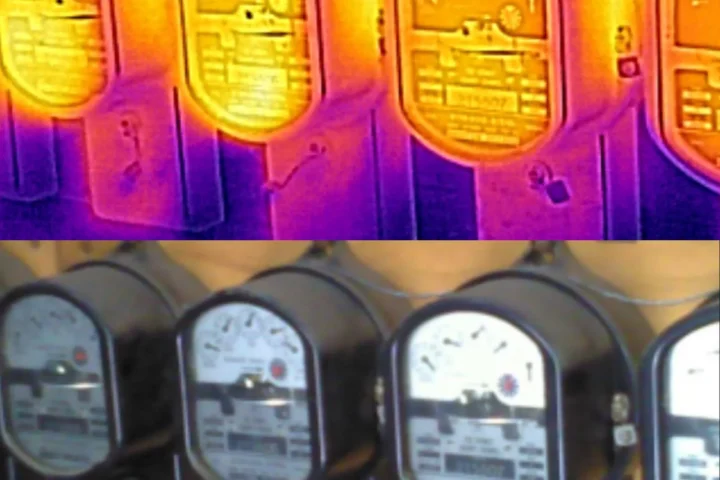
These are not issues to monitor. Turn off affected circuits if it is safe to do so, and call an electrician. In commercial and industrial buildings, a thermal imaging scan can find hot spots before they get to this stage.
5. There is no room for new circuits
A board that is full limits what you can add. Renovations, extensions, new kitchen appliances, workshop equipment or an office fit-out may all need new circuits. Squeezing extra circuits into a board that has no space, or doubling up on existing circuits, creates problems of its own.
6. Your board may have an asbestos backing panel
Many switchboards installed before the late 1980s were mounted on panels containing asbestos. The material is generally low risk if left undisturbed, but drilling, cutting or breaking it can release fibres.
Nobody should drill into or modify a suspect board until its backing has been assessed. Where asbestos is present, removal must follow NSW asbestos safety requirements and be carried out by people qualified to do so. In practice, a full board replacement is often the cleanest way to deal with it.
7. You are adding an EV charger or air conditioning
Electric vehicle chargers and ducted or multi-head air conditioning are among the biggest loads most homes and small businesses will add. They often need dedicated circuits with their own protection, and the total demand on the supply may need to be checked.
An electrician should assess whether the existing board and supply can take the extra load before any equipment is bought. Planning an EV charger installation or new air conditioning alongside a switchboard upgrade usually saves a second visit.
8. Buzzing, crackling or flickering lights
A switchboard should be silent or close to it. Buzzing, crackling or arcing sounds can mean loose connections or failing components. Lights that flicker or dim when large appliances start can also point to connection problems in the board or wiring. Both warrant an inspection.
What a switchboard upgrade involves
The details vary by building, but a typical upgrade follows these steps:
Assessment
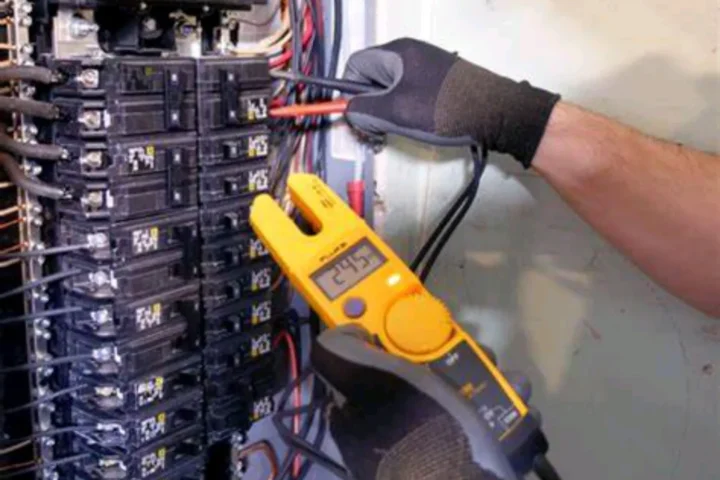
The electrician inspects the existing board, the main switch and consumer mains, the earthing system and the circuits it supplies. They check for asbestos, current loads and any plans for new equipment, then recommend a board layout.
Planning the shutdown
Power is off for part of the job. For homes this is usually a matter of a few hours. For commercial sites, the work can be planned outside trading hours to limit disruption. If the work involves the supply to the building or the meter, it may need to be coordinated with the electricity distributor.
Installation
- Remove the old board and fuses
- Install a new enclosure with a main switch, circuit breakers and RCD or RCBO protection
- Terminate and label every circuit clearly
- Upgrade the earthing where required
- Allow spare capacity for future circuits
- Consider surge protection where it suits the building
Testing and certification
Once installed, the work is tested to AS/NZS 3000, including RCD operation. In NSW, the electrician must issue a Certificate of Compliance for Electrical Work (CCEW) for this type of work. Keep it with your property records.
Getting it checked
If any of these signs sound familiar, it is worth having your board assessed before a fault forces the issue. Our electricians carry out switchboard upgrades for homes, strata buildings and commercial premises across Western Sydney. Call Eclipse on (02) 9832 9871 or book an assessment online.
Warning signs at a glance
- Ceramic rewireable fuses
- No RCDs, or a single RCD for everything
- Frequent tripping or blown fuses
- Heat marks, scorching or burning smell
- No space for new circuits
- Possible asbestos backing board
- Planning an EV charger or new air conditioning
- Buzzing, crackling or flickering lights
General information only. Requirements change and depend on your site, so confirm specifics with your certifier or insurer, or ask us.