Some electrical work simply cannot be done with the power on. Replacing a main switchboard, re-terminating a submain, upgrading a distribution board or working inside a switchroom all mean the supply has to come off first. On a working industrial or commercial site, that outage is the hard part: production stops, cold rooms warm up, tenants complain and something always fails to come back the way it went off.
A shutdown that goes well is almost entirely the result of planning done weeks earlier. Here is how we approach planned electrical shutdowns on warehouses, factories, offices and strata buildings, and what we ask site managers to sort out before the date is locked in.
Why the work needs an outage at all
Under the NSW work health and safety framework, electrical work on energised equipment is prohibited other than in a short list of circumstances, such as where it is not reasonably practicable to de-energise or where the equipment has to be live for testing. SafeWork NSW sets this out on its electrical work page. In practice that means most switchboard and cable work is planned around an outage rather than done live.
Once the supply is off, there are duties that go with it: establishing whether equipment is energised, making sure it cannot be inadvertently re-energised while work is underway, keeping unauthorised people away from the equipment, and keeping records. SafeWork NSW summarises these on its page about de-energised electrical equipment. This is general information rather than advice about your site, so confirm what applies to you with your contractor and your own safety adviser.
Start with the scope, not the date
The most common cause of an overrun is a shutdown booked before the work was fully defined. Before you pick a weekend, get clear on:
- Every task that needs the power off. If the board is open anyway, that is the time to do the labelling, the tightening and the tidy-up, not next visit.
- What can be done live or beforehand. Cable pulling, containment, mounting new boards and pre-wiring can often happen during normal hours, which shortens the outage itself.
- Whether a partial isolation will do. Sometimes one submain or one section of a board can come off while the rest of the site keeps running.
- Lead times on equipment. Switchboards, protective devices and metering can take time to arrive. The date should follow the delivery, not the other way around.
Map what the outage actually affects
On older sites, board schedules are rarely accurate. Someone has added a circuit, moved a tenant or fed a new machine without updating the labels. Before the day, walk the site and confirm what each isolation point really supplies. The things that catch people out are usually not the obvious ones:
- IT and comms. Servers, network cabinets and phone systems on a UPS will run for a while and then drop. Plan an orderly shutdown rather than letting batteries run flat.
- Refrigeration and cold storage. Product at risk needs a plan of its own, whether that is a temporary supply, a load transfer or moving stock.
- Security systems. Access control, cameras and recorders may be on battery back-up, and some door hardware behaves differently without power. Check how doors fail and who will be on site.
- Mechanical plant and controls. Chillers, air conditioning, exhaust and stair pressurisation fans, and the building management system that sequences them, all need a restart plan.
- Life safety and access equipment. Emergency and exit lighting runs on battery, and lifts, roller shutters and gates may need to be released or isolated safely.
Pick a window and tell people early
Industrial shutdowns usually land outside production hours, on a weekend or overnight, and on multi-tenanted or strata sites the notice period matters as much as the timing. Give tenants and staff written notice with a start time, an expected return time and a contact for the day. Agree in advance who makes the call if the work runs long, and what the fallback is if something cannot be restored in the window.
Warehouse and logistics sites are the tightest to schedule, because a shutdown competes with despatch. We plan these around the operation rather than the other way around, and the same thinking applies to warehouse and logistics sites where a few hours of downtime is measured in trucks.
Paperwork that should exist before the day
- A safe work method statement for the work being done, with the people and licences named.
- An isolation plan and lock-out register listing each isolation point, who locked it and who is authorised to remove the lock.
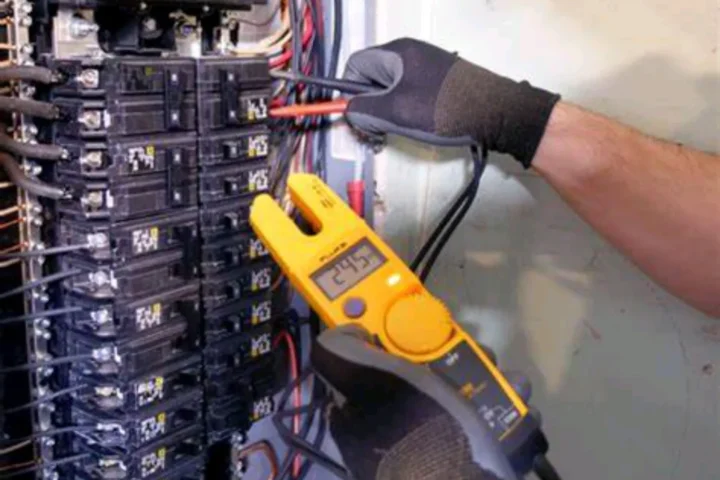
- A test plan. Circuits are tested to prove they are de-energised before anyone works on them, and tested again before the supply is restored.
- A restoration sequence written down in the order plant is to come back on, with the checks at each step.
- An abort point. The latest time at which the job can still be reversed and the site put back as it was.
Restarting in the right order
Bringing everything back at once is how faults get missed. A staged restart makes it obvious which circuit caused a problem:
- Energise the main supply and confirm voltages and phase rotation before anything downstream goes on.
- Bring distribution boards back one at a time, then motors and large plant individually rather than as a block.
- Return the building management system to automatic once plant is confirmed running, and clear the alarms it logged during the outage.
- Check refrigeration and air conditioning are holding temperature. Where refrigerant work is needed, it is carried out under our ARC refrigerant trading authorisation AU35479.
- Confirm security, access control and recording equipment are back online, and that emergency and exit lighting is charging rather than sitting in fault.
- Walk the site with the site contact before leaving, and hand over test results and any items that still need follow-up.
Get value out of the outage
An outage is expensive, so it is worth bundling in the work that needs one. Switchboard upgrades, replacing failed protective devices, cleaning and re-labelling boards, and correcting earlier alterations are all easier with the board dead and the covers off.
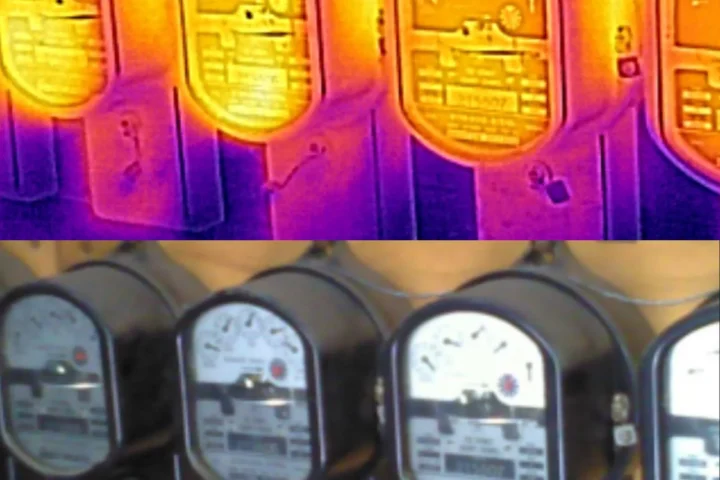
One thing that does not belong in a shutdown is thermal imaging, which only works while the board is live and under load. Book that for a normal working day, and use the findings to decide what the next shutdown needs to fix.
Plan shutdowns in, do not react to them
Sites that treat shutdowns as part of a maintenance plan rather than an emergency get shorter outages and fewer surprises. Our industrial electricians plan and run shutdowns alongside routine testing, and a maintenance contract is usually the simplest way to keep the board schedules, test records and outage history in one place.
If you have a switchboard or plant upgrade coming up, send us the site details and we will work back from the outage window you can afford. Request a quote or call (02) 9832 9871. Our office hours are Monday to Friday, 7am to 5:30pm, and we take after-hours call-outs for commercial and industrial sites.
Shutdown planning checklist
- Full task list of work that needs the power off
- What can be pre-wired or done live beforehand
- Confirmed isolation points and what they supply
- UPS, refrigeration, security and BMS plans
- Written notice to tenants and staff
- SWMS, lock-out register and test plan
- Restoration sequence and an abort point
General information only. Requirements change and depend on your site, so confirm specifics with your certifier or insurer, or ask us.