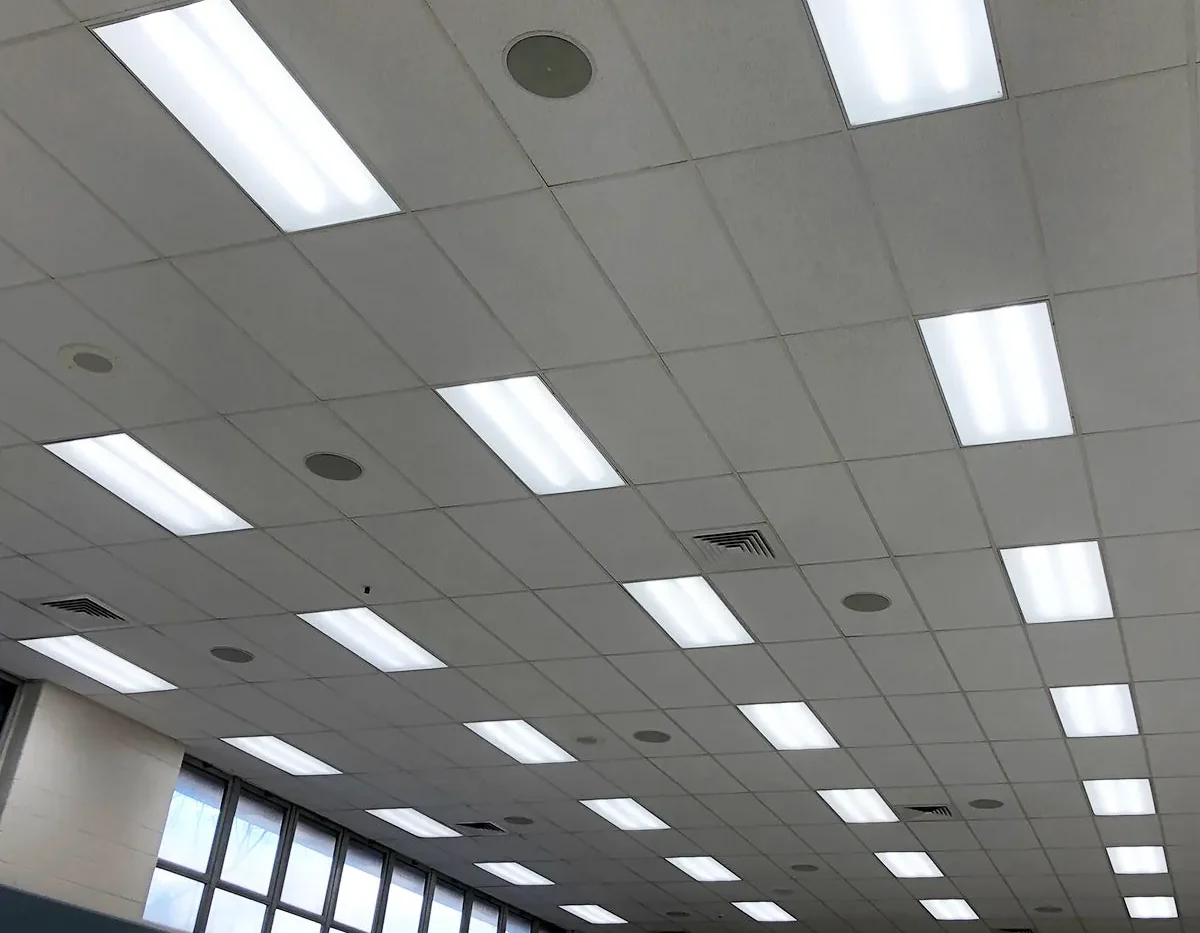
When mains power fails in a warehouse, office or strata building, emergency lights and illuminated exit signs are what let people find their way out. Because they sit idle almost all the time, faults go unnoticed until someone tests them properly. That is why Australian Standards and NSW fire safety rules put a routine testing obligation on building owners.
This guide covers what the testing involves, how often it happens, what records you need to keep and the problems we see most often on commercial and strata sites across Western Sydney.
The standards behind emergency lighting
Emergency escape lighting in Australia is covered by the AS/NZS 2293 series. Part 1 deals with system design and installation, and Part 2 sets out inspection and maintenance, which is the part building owners deal with year to year.
In NSW, emergency lighting and exit signs are usually listed as essential fire safety measures on a building’s fire safety schedule. That links them directly to the Annual Fire Safety Statement (AFSS), which most commercial, industrial and multi-unit residential buildings must submit to council and Fire and Rescue NSW each year.
What AS/NZS 2293.2 routine testing involves
Six-monthly inspection and discharge test
The core requirement is a routine service every six months. Each emergency luminaire and exit sign is inspected, then the normal supply is isolated so the fittings run on their internal batteries. The test runs for the rated duration, which is a minimum of 90 minutes for most systems.
At the end of the test, every fitting should still be lit. Any fitting that has gone dark, dimmed noticeably or failed to switch over is recorded as a fault and scheduled for repair or replacement.
What the technician checks
- That each fitting switches to battery when the supply is removed
- That it stays illuminated for the full test duration
- That charge indicators show normal once mains power is restored
- Physical condition: cracked diffusers, damaged housings, missing legends on exit signs
- That exit signs are visible and not blocked by racking, signage or fit-out changes
- That fittings are clean enough to do their job
Annual review
Once a year it is worth looking beyond individual fittings. Has the floor layout changed? Has new racking created a dark aisle? Has a partition blocked a sign’s line of sight? Changes like these can leave a building non-compliant even when every fitting passes its discharge test, and they are easy to miss in a busy warehouse or a tenancy that has been refitted.
Logbooks and records
Every test should be recorded in a logbook kept on site. A useful logbook shows the date of each test, the fittings tested (ideally by a unique ID matched to a site plan), the result for each one, any faults found and when those faults were rectified.
Good records do three things. They show your fire safety practitioner that the measure has been maintained, they make it obvious when the same fitting keeps failing, and they protect you if there is ever a question after an incident. A logbook that just says “all OK” with no fitting detail is not much help to anyone.
How emergency lighting links to your AFSS
Each year the owner of a building with essential fire safety measures must provide an Annual Fire Safety Statement confirming those measures have been assessed and are performing to the required standard. Emergency lighting and exit signs are commonly part of that list.
NSW now requires essential fire safety measures to be assessed by a competent fire safety practitioner before the statement is issued. The exact requirements depend on your building and its fire safety schedule, so confirm the details with your certifier or fire safety practitioner. In practice, having two clean six-monthly test records in the logbook, with faults closed out, makes that assessment far simpler.
Common emergency lighting failures
Most failures we find come down to a handful of causes:
- Exhausted batteries. Batteries lose capacity with age and heat. A fitting might light up briefly and then fade well before 90 minutes.
- Failed lamps or LED drivers. Older fluorescent fittings in particular reach end of life and fail on test.
- Circuit wiring issues. Fittings wired to the wrong circuit, or with a permanently disconnected supply, never charge properly.
- Physical damage. Forklifts and pallet movements in warehouses regularly clip low-mounted fittings.
- Obstructed signs. Racking, stock and new signage can block the view of an exit sign even when it works perfectly.
- Heat. Fittings installed near high-bay lights, roof sheeting or plant can age much faster than expected.
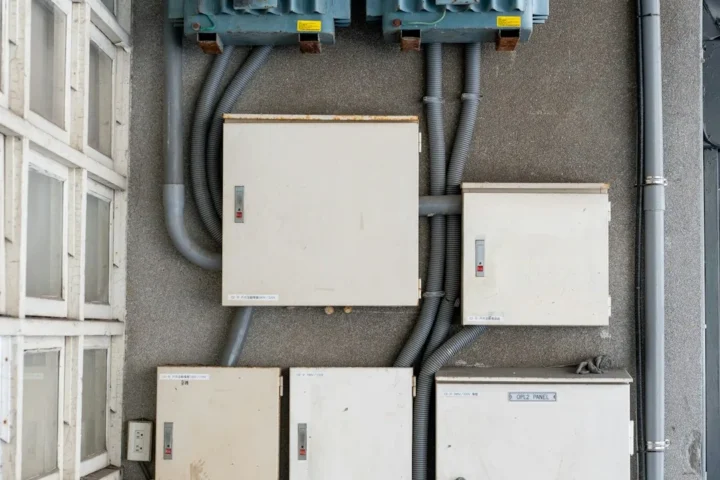
Where a site has a lot of older fittings failing, it can make more sense to plan a staged replacement with modern LED emergency fittings than to keep swapping batteries. LED fittings draw less power and generally put less strain on batteries, and the work often pairs well with a broader commercial electrical upgrade or switchboard work.
Who can do the testing
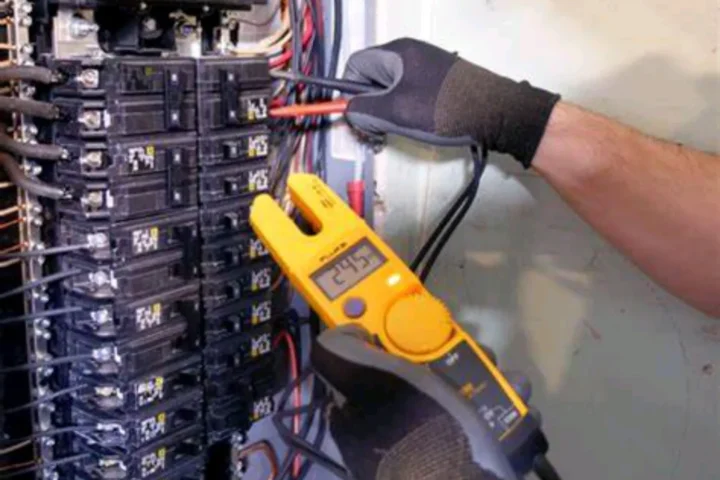
Discharge testing involves isolating circuits and working on fixed electrical fittings, so repairs and replacements must be carried out by a qualified electrician. Many owners find it simplest to have the same electrical contractor do the routine testing, keep the logbook and fix faults on the spot, rather than getting a test report and then booking a separate trade.
Our electricians handle emergency and exit lighting testing for warehouses, offices and strata buildings. We test to AS/NZS 2293.2, record results per fitting, replace failed batteries and fittings, and leave you with an updated logbook ready for your fire safety practitioner.
Bundling testing with other routine electrical checks
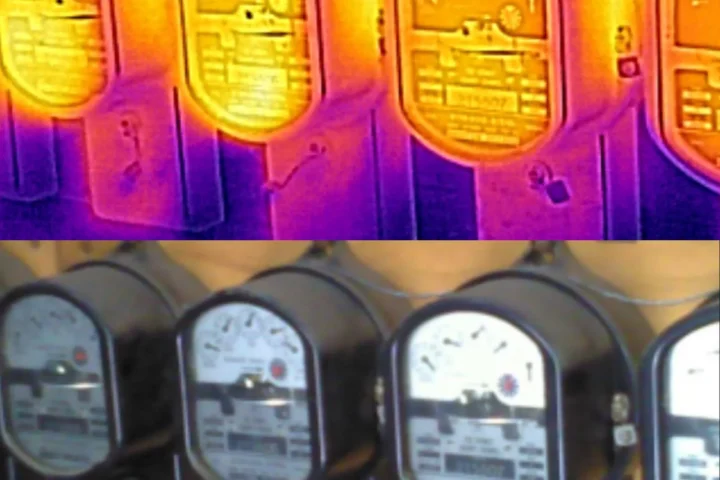
Emergency lighting is one of several routine electrical tasks that come around on a fixed cycle. Many sites also need test and tag of portable equipment and RCD testing, and periodic thermal scanning of switchboards. Scheduling these together reduces disruption and means one contractor holds the full record.
For strata managers and multi-site operators, a planned maintenance contract is often the cleanest way to keep six-monthly tests on time, with reminders, consistent reporting and fault repairs handled under the same arrangement.
Next steps
If your logbook is missing entries, your last test was more than six months ago, or your AFSS is coming up, it is worth booking a test now rather than in the week before the statement is due. Call Eclipse on (02) 9832 9871 or send us your site details and we will organise a test and a clear fault report.
Owner checklist
- Six-monthly inspection and discharge test booked
- Logbook kept on site with results per fitting
- Faults repaired and closed out in the logbook
- Exit signs clear of racking and signage
- Annual review after layout or fit-out changes
- Records ready before the AFSS is due
General information only. Requirements change and depend on your site, so confirm specifics with your certifier or insurer, or ask us.