In most commercial buildings, heating, ventilation and air conditioning is one of the largest energy users and one of the most common sources of tenant complaints. Yet it is often maintained reactively, with someone called only when a unit stops cooling on the hottest day of the year.
A planned maintenance program keeps systems efficient, extends equipment life and catches small faults before they become expensive. The checklist below is a practical starting point for offices, retail, warehouses and light industrial sites. Your exact tasks will depend on the equipment installed and the manufacturer’s requirements.
Monthly checks
Monthly tasks are mostly visual and quick, but they catch problems early.
- Filters: inspect and clean or replace as needed. In dusty warehouse and industrial environments, filters can load up much faster than in offices.
- Condensate drains and trays: check for blockages, standing water, slime or leaks. A blocked drain is one of the most common causes of ceiling water damage.
- Operation and noise: listen for unusual vibration, rattles or bearing noise from fans and compressors.
- Setpoints and schedules: confirm zones are running to the intended temperatures and hours, especially after public holidays or daylight saving changes.
- Alarms and faults: review controller or BMS alarm logs and follow up on repeated faults.
Quarterly checks
Quarterly visits go deeper into the mechanical and electrical condition of each unit.
- Coils: inspect evaporator and condenser coils for dirt, debris and damaged fins. Clean where needed. Dirty condenser coils force compressors to work harder and increase power use.
- Belts and pulleys: check tension, alignment and wear on belt-driven fans. Replace cracked or glazed belts.
- Fan motors and bearings: check for overheating, noise and lubrication where required.
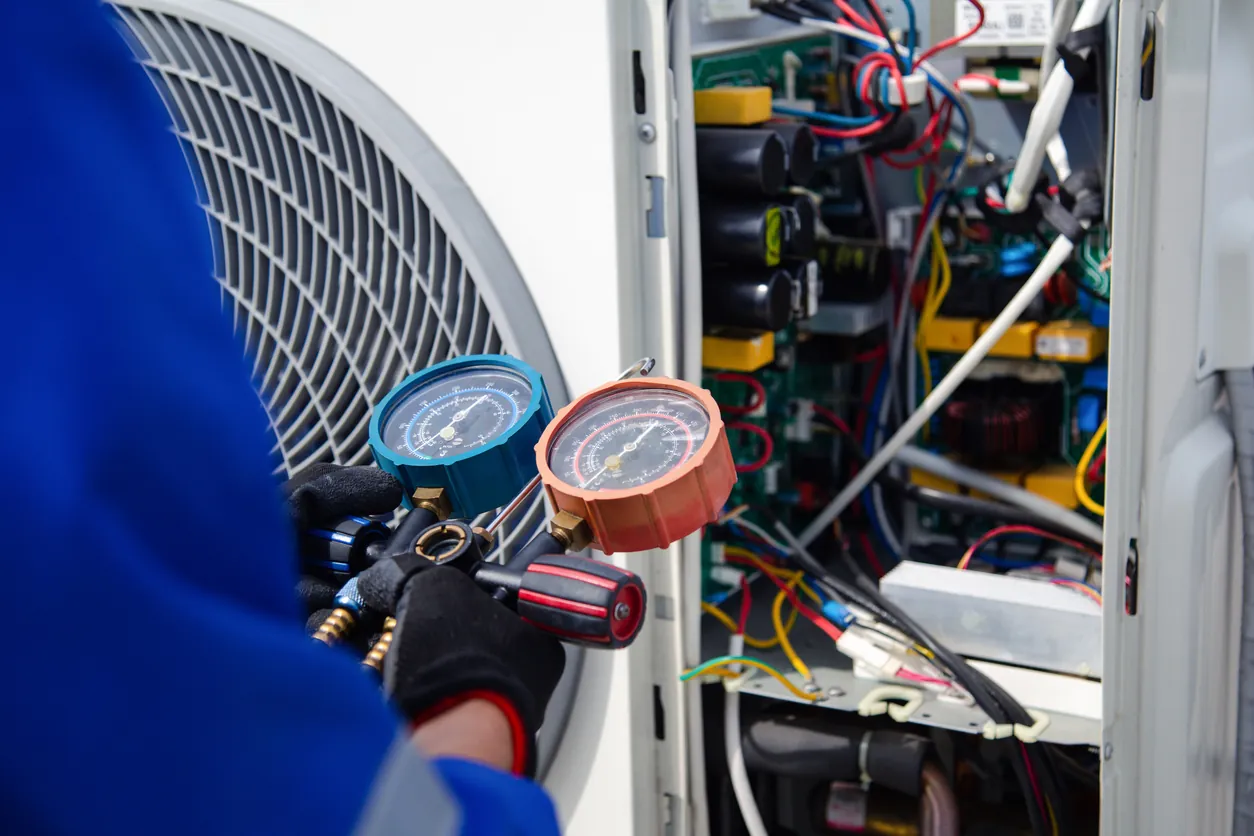
- Refrigerant performance: check operating pressures and temperatures for signs of low charge or restriction. Any work that involves handling refrigerant must be done by a technician holding an Australian Refrigeration Council licence.
- Electrical connections: inspect contactors, terminals and isolators for heat damage, loose connections and wear.
- Outdoor units: clear leaves, rubbish and vegetation from around condensers so airflow is not restricted.
Annual checks
Once a year, typically before summer, the whole system should get a thorough review.
- Full coil clean on indoor and outdoor units, including chemical cleaning where appropriate
- Refrigerant leak check on all circuits, carried out by an ARC licence holder
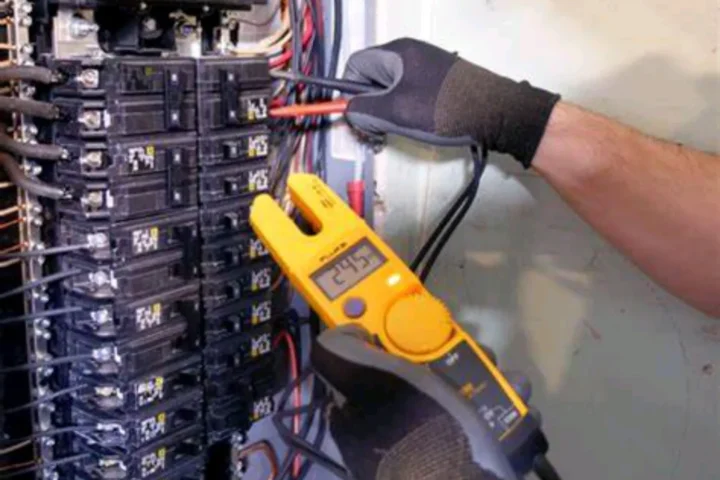
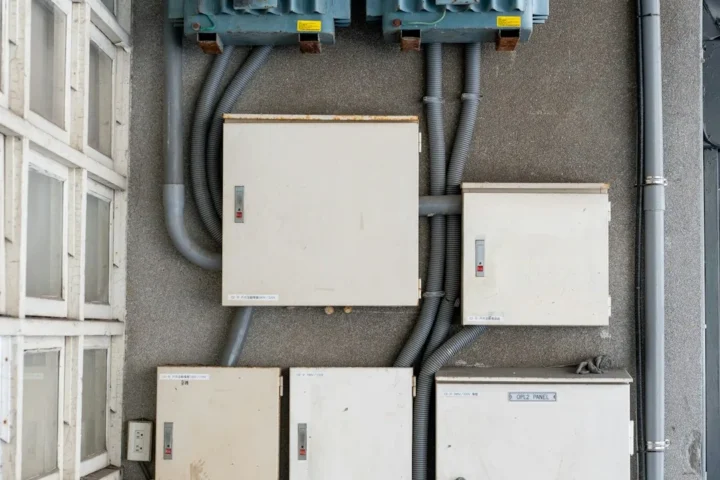
- Electrical testing: measure motor current draw against nameplate ratings, check insulation where appropriate and inspect mechanical switchboards and isolators
- Controls and BMS review: verify sensor calibration, check that valves and dampers respond to commands, and review time schedules and setpoints against how the building is actually used
- Ductwork and diffusers: inspect accessible ductwork for damage, disconnected flexible duct and poor airflow
- Condition report: record the age, condition and remaining life of each unit to support life-cycle planning and budgeting
Why electrical checks belong in an HVAC checklist
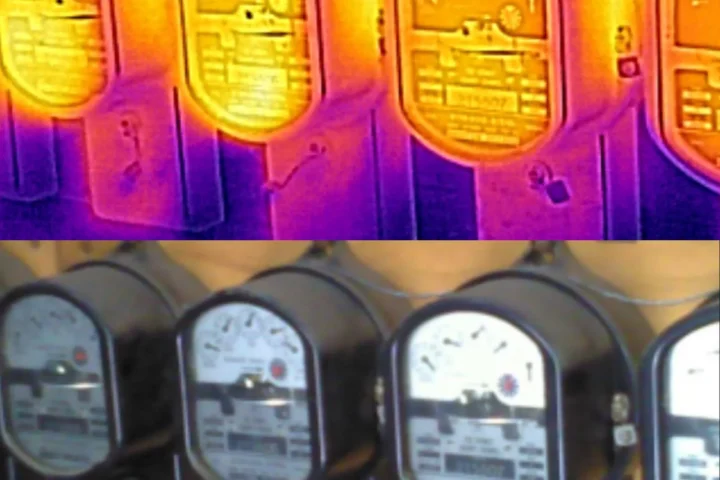
Many HVAC failures are really electrical failures: a contactor with burnt contacts, a loose terminal on a compressor, or a supply circuit that is running hot. Thermal scanning of mechanical services switchboards picks up these issues without a shutdown. Because Eclipse has electricians and HVAC technicians under one roof, we can connect switchboard thermal imaging with mechanical maintenance in the same program.
Controls and BMS: the overlooked item
A well-maintained unit can still waste a lot of energy if it is running the wrong hours or fighting another unit. Common controls issues include:
- Schedules left running on weekends after a tenancy change
- Heating and cooling running at the same time in adjacent zones
- Temperature sensors that have drifted or been moved
- Economy cycles and outside air dampers that have stopped working
- Overrides that were set temporarily and never cleared
A periodic review of your building management system is often one of the cheapest ways to reduce energy use without changing any equipment.
Items with their own compliance requirements
Some parts of a building’s mechanical services carry their own obligations. Cooling towers in NSW are regulated under public health legislation, with specific risk management and testing requirements. Where air-handling systems form part of the building’s smoke control, they are typically listed as essential fire safety measures and assessed for the Annual Fire Safety Statement. These are separate from routine HVAC maintenance, so confirm the requirements for your building with your certifier or fire safety practitioner.
The cost of neglect
Skipping maintenance rarely saves money for long. The typical consequences are:
- Higher power bills. Dirty filters and coils make fans and compressors work harder for the same result.
- Shorter equipment life. Compressors that run hot and short-cycle wear out sooner, and a compressor replacement can approach the cost of a new unit.
- Unplanned breakdowns. Failures tend to happen at peak load, which is exactly when parts and technicians are hardest to get.
- Water damage. Blocked drains damage ceilings, stock and fit-outs.
- Indoor air quality complaints. Poor filtration and dirty coils affect comfort and staff wellbeing.
- Tenant and staff complaints. In strata and commercial leasing, unreliable air conditioning quickly becomes a relationship problem.
When a system does fail in peak season, temporary air conditioning can keep a server room or workspace running while repairs are organised. It is far better, though, to avoid the failure in the first place.
Planning for replacement
Annual condition reports make it easier to plan capital works rather than react to failures. When units reach the end of their economic life, planned air conditioning replacement lets you choose the timing, compare options and avoid emergency pricing.
Getting a program in place
Our technicians provide programmed and reactive HVAC maintenance for offices, warehouses, retail and strata buildings across Western Sydney and Greater Sydney. A maintenance contract can bundle HVAC servicing with electrical compliance tasks under one schedule and one report. To discuss a program for your site, call Eclipse on (02) 9832 9871.
Quick reference
- Monthly: filters, drains, noise, setpoints, alarms
- Quarterly: coils, belts, motors, refrigerant performance
- Quarterly: electrical connections and outdoor units
- Annual: full coil clean and refrigerant leak check
- Annual: electrical testing and controls review
- Annual: condition report for life-cycle planning
General information only. Requirements change and depend on your site, so confirm specifics with your certifier or insurer, or ask us.